
Cats go through several stages of development throughout their lives. Each stage brings noticeable changes in behavior, energy levels, and social interaction. Understanding cat behavior by age stages helps owners provide better care, training, and emotional support for their feline companions.
From playful kittens to calm senior cats, every stage reveals something unique about a cat’s personality.
1. Kitten Stage (0 – 6 Months)
The kitten stage is the most energetic and curious phase of a cat’s life. Young kittens are constantly exploring their environment and learning basic social behaviors.

Common Behaviors
- High energy and constant playfulness
- Curiosity about everything around them
- Learning social skills from other cats and humans
- Frequent bursts of activity followed by long naps
This is the best time to introduce toys, scratching posts, and gentle training.
2. Junior Stage (6 Months – 2 Years)
During the junior stage, cats are still playful but begin developing stronger personalities. They become more confident and may test boundaries.
Common Behaviors
- Strong hunting instincts
- Increased independence
- Playful but more controlled energy
- Occasional stubborn behavior
Providing plenty of mental stimulation and exercise helps prevent boredom during this stage.
3. Adult Stage (3 – 6 Years)
Adult cats are usually calmer and more predictable than younger cats. They settle into routines and become comfortable in their home environment.
Common Behaviors
- Balanced activity levels
- Strong attachment to their owners
- Established sleeping and feeding routines
- More selective about playtime
This stage is often considered the most stable period in a cat’s life.
4. Mature Stage (7 – 10 Years)
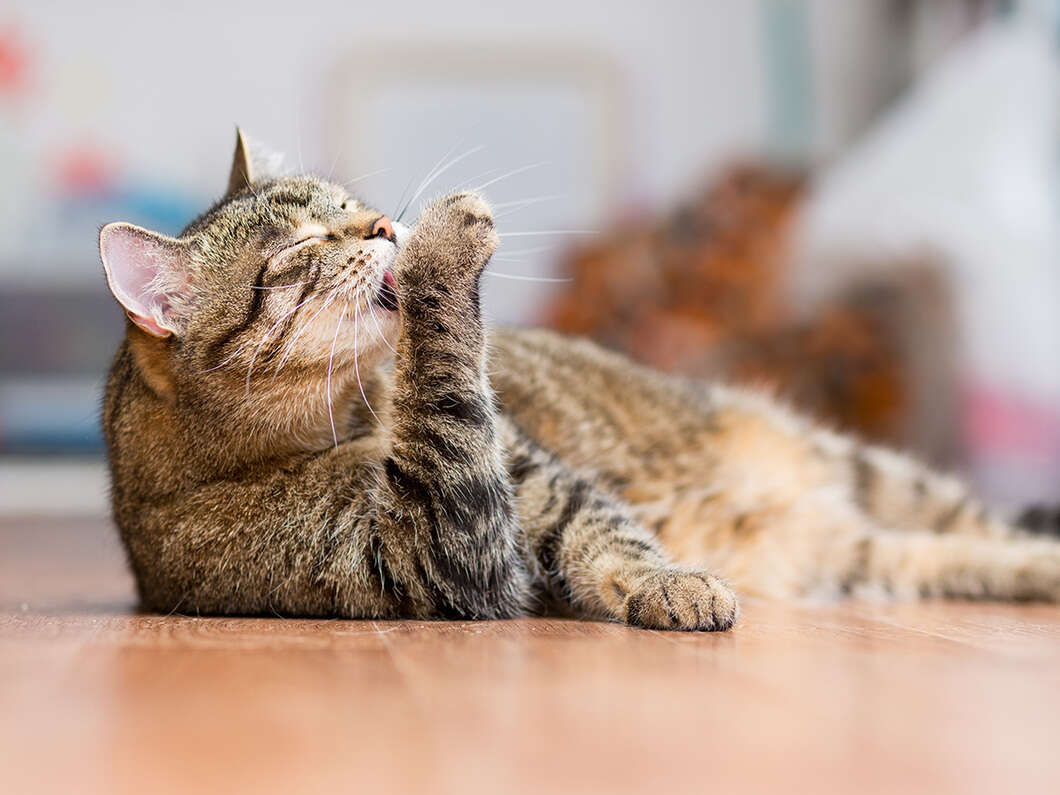
As cats enter maturity, their activity levels slowly decrease. They may prefer quiet environments and spend more time resting.
Common Behaviors
- Less energetic than younger cats
- More affectionate with familiar people
- Preference for comfortable resting spots
- Greater sensitivity to environmental changes
Regular health checkups become increasingly important during this stage.
5. Senior Stage (11+ Years)
Senior cats often become calmer and may seek more comfort and attention from their owners. Some behavioral changes may occur due to aging.
Common Behaviors
- More sleeping throughout the day
- Reduced physical activity
- Increased desire for warmth and comfort
- Possible changes in appetite or mobility
Providing a quiet and comfortable environment helps senior cats stay relaxed and happy.
Why Understanding Cat Behavior Matters
Knowing how behavior changes as cats age allows owners to respond appropriately to their needs. It also helps strengthen the bond between cats and their families.
- Improves communication with your pet
- Helps detect health or behavioral issues early
- Creates a better living environment for cats
- Strengthens the human-animal bond
Final Thoughts
Cats evolve emotionally and physically throughout their lives. By understanding cat behavior by age stages, owners can provide the right care, attention, and environment at every stage.
Whether your cat is a playful kitten or a peaceful senior, recognizing these behavioral changes helps ensure a happy and healthy life for your feline companion.